H5 Avian Influenza (Bird Flu): What Pet Bird Owners Need to Know
Information current as of 13th August 2026
This article answers the questions our clients are asking about the current H5 bird flu outbreak: the risk to pet birds, zoonotic (human) risk, what to do if they encounter a sick wild bird, and whether Vetafarm Avicare is effective against the virus.
Current Situation in Australia
The H5N1 clade 2.3.4.4b strain of highly pathogenic avian influenza (“H5 bird flu”) reached mainland Australia for the first time in June 2026, after previously being confirmed in sub-Antarctic Heard Island wildlife in late 2025. As of 12 August 2026, the Australian Government’s Department of Agriculture, Fisheries and Forestry (DAFF) has confirmed 236 detections of H5 bird flu, all in wild birds across Western Australia, South Australia, Victoria, New South Wales and Queensland.
There have been no detections in commercial poultry or the agricultural production system, and local wild-bird-to-wild-bird transmission has now been confirmed in South Australia, along with the first mass mortality event in Australian wildlife (at Baudin Rocks, SA). Australia remains free of the strain in poultry, and the Australian Centre for Disease Control (ACDC) and DAFF continue to describe the situation as evolving but currently low risk to humans and domestic animals.
Zoonotic Potential – Risk to People
H5 bird flu is a zoonotic disease, meaning it can spread from animals to people, but current health authorities state the risk to people in Australia remains low. There have been no human cases of the 2.3.4.4b clade in Australia to date; Australia’s only prior human H5N1 case (2024) involved a genetically different clade acquired overseas, with full recovery.
Human infections overseas have almost always followed close, unprotected contact with sick or dead birds, their droppings, feathers or environments – casual outdoor exposure carries far lower risk. Simple precautions substantially reduce risk: avoid touching sick or dead birds, wash hands thoroughly before and after handling any bird (even healthy ones), and cook meat and eggs thoroughly.
Risk to Pet Birds and Companion Animals
Animal | Risk Level | Main Exposure Pathway | Key Precaution |
Pet/aviary birds | Real risk if exposed | Contact with wild birds, contaminated cages/equipment, clothing, footwear | Prevent all contact with wild birds; strict biosecurity and hygiene |
Cats | Higher susceptibility among mammals | Eating sick/dead wild birds or raw meat/milk; scavenging | Keep cats indoors, avoid raw diets |
Dogs | Lower but real risk | Contact/licking dead birds while off-lead | Keep on lead near water/beaches, wash after contact |
For pet birds specifically, the virus spreads through direct contact with infected wild birds or their droppings, and via contaminated clothing, shoes, equipment, egg cartons or vehicles – not through casual proximity alone.
Signs to watch for in pet birds and backyard poultry include:
There is currently no registered vaccine for cats or dogs against H5 bird flu, and treatment options for infected wildlife are limited, which makes prevention the priority.
- Sudden death
- Lethargy
- Reduced appetite
- Swelling or blue discolouration of the head/legs
- Respiratory distress
- Neurological signs (tremors, seizures, loss of coordination)
- Diarrhoea/vomiting
- Pinpoint haemorrhages
Recommended actions for aviary/pet bird owners
- Prevent any contact between pet birds and wild birds - enclose aviaries with wild-bird-proof mesh/roofing and do not allow free-flighted outdoor time in high-risk areas
- Keep enclosures, feed and water containers clean and inaccessible to wild birds; do not leave pet food or water where wildlife can access it
- Practice strict hygiene: dedicated clothing/footwear for aviary work, hand washing before and after handling birds, and disinfect equipment regularly
- Quarantine any new birds before introducing them to an existing collection, and limit visitor access to bird areas
- Isolate any bird showing signs of illness immediately and contact your avian veterinarian by phone first, rather than bringing a potentially infected bird into a clinic where it could expose other animals
What to do about Wild Birds
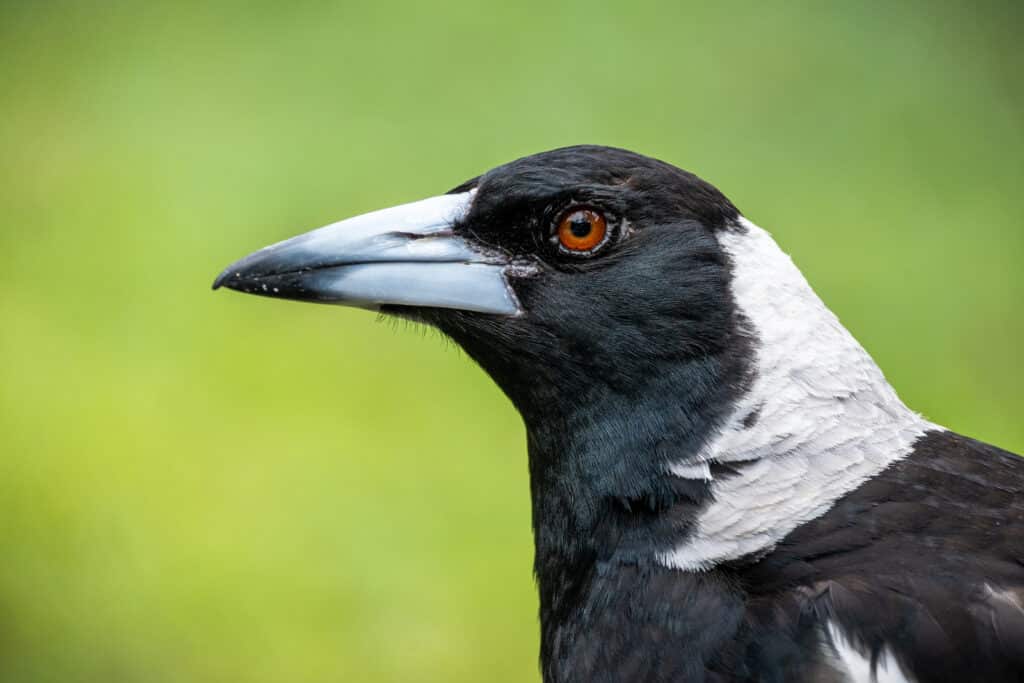
If you encounter a sick or dead wild bird, the official national guidance is “Avoid, Record, Report”.
- Avoid - do not touch the bird, and keep pets, children and yourself away from the carcass, droppings or immediate area
- Record - note the exact location and, only if safe to do so from a distance, take a photo or short video
- Report - call the 24-hour national Emergency Animal Disease Hotline on 1800 675 888, which connects to the relevant state/territory Chief Veterinary Officer; this is a legal requirement since H5 bird flu is a nationally notifiable disease
For sick, injured or orphaned native wildlife, contact a wildlife rescue organisation (e.g. WIRES) rather than handling the animal directly
Dogs should be kept on a lead near beaches, waterways and other areas where sick or dead wild birds may be present, since off-lead dogs are the most common way pets contact infected carcasses. If contact does occur – even through gloves or a lead – clients should shower and change clothes before interacting with other pets in the household.
Will Vetafarm's Avicare be effective?
Avicare is a broad-spectrum avian disinfectant/cleanser with halogenated tertiary amines (a quaternary ammonium compound/QAC-based formulation) as its active ingredient, and it is marketed and used for cleaning cages, incubators, brooders, hand-rearing equipment and other bird-keeping surfaces. Internationally, the equivalent UK-formulated Avicare product is DEFRA-approved for use against Avian Influenza (and the related “Influenza of Avian Origin in Mammals” order) at a stronger 1:10 dilution, in addition to its standard 1:100/1:50 general-use dilutions. Independent laboratory research broadly supports this: avian influenza viruses are enveloped viruses, which are generally highly susceptible to standard disinfectant classes including QACs, provided the correct concentration, contact time and clean (non-organically-soiled) surface conditions are used.
In practical terms, routine cleaning and disinfection of aviaries, feeding equipment and hand-rearing tools with Avicare used at label-directed strength remains a sound, evidence-supported biosecurity measure against enveloped viruses like avian influenza, but it should be used alongside – not instead of – physical exclusion of wild birds, strict hygiene and quarantine protocols.
Clients with specific questions about Avicare’s registered claims for H5 bird flu in Australia should be directed to Vetafarm’s technical/regulatory team for confirmation, since APVMA label wording can differ from overseas equivalents.
Key Contacts and Resources
- Key Contacts and Resources
- Emergency Animal Disease Hotline (24 hours): 1800 675 888 — for reporting sick/dead wild birds or suspected H5 bird flu
- DAFF bird flu updates and biosecurity guidance: gov.au
- Wildlife Health Australia and WIRES for wildlife-specific advice and rescue
- Your avian veterinarian - call ahead before bringing in a bird suspected of infection
The overall message for clients is that the risk to typical, well-managed pet birds remains low but not zero, and that simple, consistent biosecurity – physical separation from wild birds, hygiene, and reporting rather than handling sick wildlife – is the most effective protection currently available.